
Avoiding Sick Days: Illness Prevention Tips, According to a Pediatrician
- By Blueberry Pediatrics
- January 8, 2026
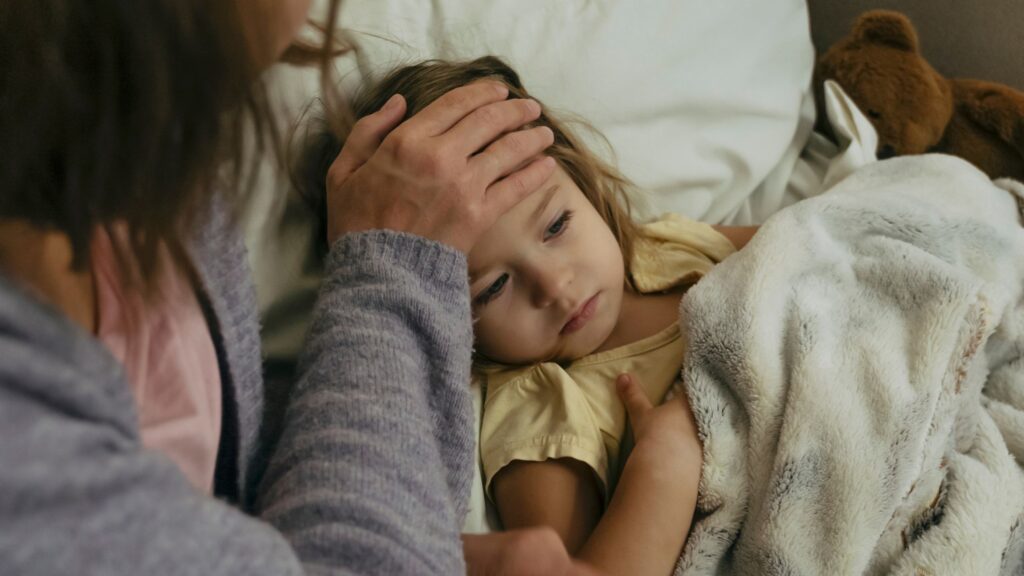
The school year brings more than just new routines and packed lunches. With your kids in the classroom, it also brings the inevitable wave of sniffles and sick days. Whether your little one is at daycare, attending preschool, or in the elementary years, being around more kids often means more germs. The good news? A few simple habits and proactive communication can go a long way in keeping everyone healthy. From handwashing routines to knowing when to stay home, staying as healthy as possible all starts with a strong care team: parents, nannies, and teachers working together. As a mom and pediatrician at Blueberry Pediatrics, here are some of the most effective (and easy to institute) illness prevention tips going into cold and flu season.
Effective Illness Prevention Tips for Kids
1. Start with handwashing
Washing hands with soap and water is one of the best ways to stop illness before it starts. Here are some tips to make hand washing routines effective, even for the littlest of kiddos.
- Wash after bathroom breaks and before meals
- Scrub for 20 seconds (sing a song! I like the ABC song—it’s fun and kids can practice their letters)
- Use hand sanitizer when soap isn’t nearby. I recommend waiting to use hand sanitizer until age 2 when young ones are less likely to put their hands (and therefore, sanitizer) in their mouth. As hand sanitizer contains alcohol, it can be very rough on sensitive skin. Children under 6 years of age should be supervised to prevent accidental ingestion.
2. Stay home when sick
We know it’s hard to change plans or move that meeting when your kiddos are sick, but staying home when they’re not feeling 100% is a surefire way to stop the spread of illness. Here are signs that they should take a sick day and general rules to follow:
- Fever, vomiting, diarrhea, or pink eye? Stay home
- Wait 24 hours after a fever goes away before returning to a school or daycare setting
- Let your caregiver or nanny know what symptoms to watch for. Review this with them during the onboarding process and periodically throughout the year. Don’t forget to review your child’s pediatrician information.
3. Keep their immune system strong
Illness prevention starts before they come in contact with germs. Below are some pediatrician-approved tactics to help keep your little one’s immune system strong:
- Offer fruits, veggies, and water
- Make sure they get enough sleep
- Spend time outside when possible
4. Stop the spread
Sharing is caring, except when illness is involved. To prevent the spread of illness to others in the family, follow these guidelines:
- Wipe down shared items by cleaning toys, lunchboxes, electronics, and water bottles often with disinfectant wipes. Other areas that often go overlooked include shared surfaces like door knobs and remotes.
- Wash “loveys” and blankets that go to daycare
- Try to keep the sick child in their own space (we know, easier said than done). For example: assign them a corner of the living room couch with their own designated pillow or blanket.
- Avoid sharing any food or drinks and ensure all family members wash their hands with soap and water often.
5. Teach sneeze and cough manners
Even toddlers can learn to stop the spread of germs. Teach them early how to:
- Cough or sneeze into their elbow. Some teachers ask their students to cough into their ‘chicken wing’.
- Use tissues and throw them out right away
- Wash hands again afterward
What to Do When Your Child Is Sick
Even if you follow all of these illness prevention tips perfectly, it’s only inevitable that sickness will hit your household at some point. When this happens, think of it as your children building up their immunity. As a pediatrician, here’s what I recommend to my patients and their families:
- Prioritize fluids over solids if appetite is low (tip: popsicles count!). This ensures that your child is staying hydrated, and can even help thin out mucus with colds.
- Offer small, frequent meals/snacks rather than big portions.
- Focus on nutrient dense foods such as chicken soup (protein), fruits and vegetables (vitamins).
Vaccinations and Preventative Care
One of the most proven and effective illness prevention tips you can adhere to is to keep your child up to date with their vaccinations and any preventative care.
The AAP immunization schedule is carefully designed to protect children at the ages when they are most at risk for serious illnesses. Vaccines have been so successful that some parents forget how dangerous these diseases are. Did you know that:
- Measles and the Chicken Pox can cause brain damage or death.
- Polio can cause permanent paralysis.
- Pertussis can cause severe breathing issues and apnea (stopping breathing).
These diseases still exist globally, and outbreaks can and do happen in the U.S. when vaccination rates drop.
When to Reach Out to Your Pediatrician
When in doubt, reach out to your pediatrician when your child is sick. I recommend parents contact their provider if their child:
- Is not drinking fluids or showing signs of dehydration (dry mouth, no tears, fewer wet diapers)
- Has high fever lasting more than 3 days
- Has severe vomiting or diarrhea
- Is refusing all food/drink
- Has breathing difficulties or persistent pain
Illness Prevention Tips: Building Healthy Habits Early On
No matter how careful you are, a few sniffles are bound to make their way home during the school year. But when parents, nannies, and teachers work together, prevention becomes second nature. Handwashing habits, smart nutrition, and staying home when sick may sound simple, but they’re powerful tools for keeping kids healthy and classrooms thriving.
Think of your child’s care team as a circle of support: parents setting routines, nannies reinforcing healthy habits, and teachers maintaining consistency in the classroom. When everyone communicates and collaborates, kids stay healthy and feel cared for and supported in every environment.
And when sickness does happen (because it always will, and that’s ok!), remember: rest, hydration, and communication with your pediatrician go a long way toward recovery.
Here’s to a happy, healthy school year and winter months—for you, your children, and everyone in your care village.
Dr. Casey Sommerfeld attended the University of Florida, where she received both her B.S and medical degree. She completed her residency at the Children’s Hospital of Pittsburgh in Pittsburgh, Pennsylvania. Dr. Sommerfeld is board certified in Pediatrics and practices in a busy pediatric urgent care center. In her free time she enjoys working out, reading, cooking/baking and spending time with her husband and two young children. Learn more about Dr.N Commerfeld and Blueberry Pediatrics here.
Please follow and like us:
You may also like…

- By Stephanie Fornaro

- By Stephanie Fornaro

- By Stephanie Fornaro